Olympic Legacy
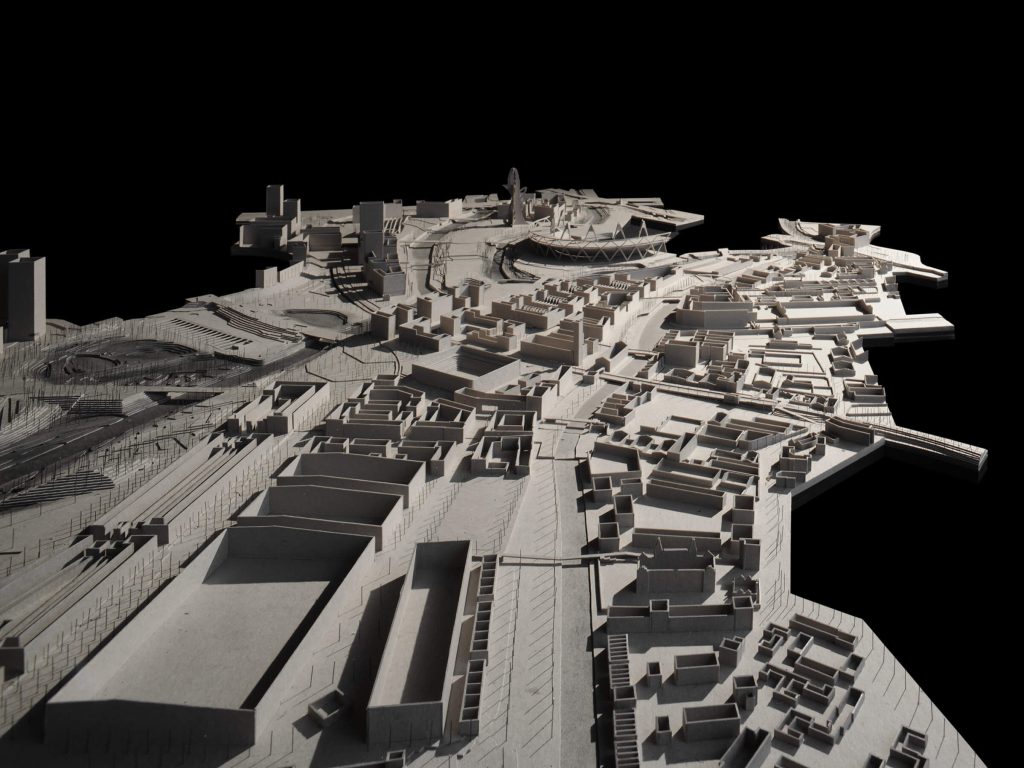
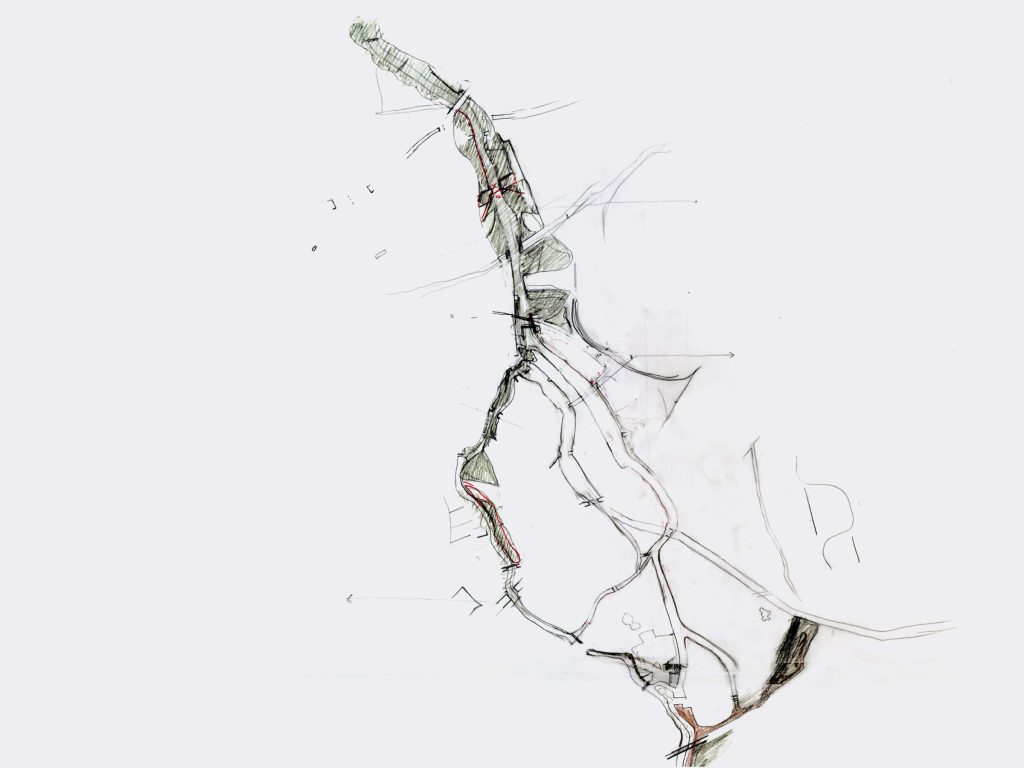
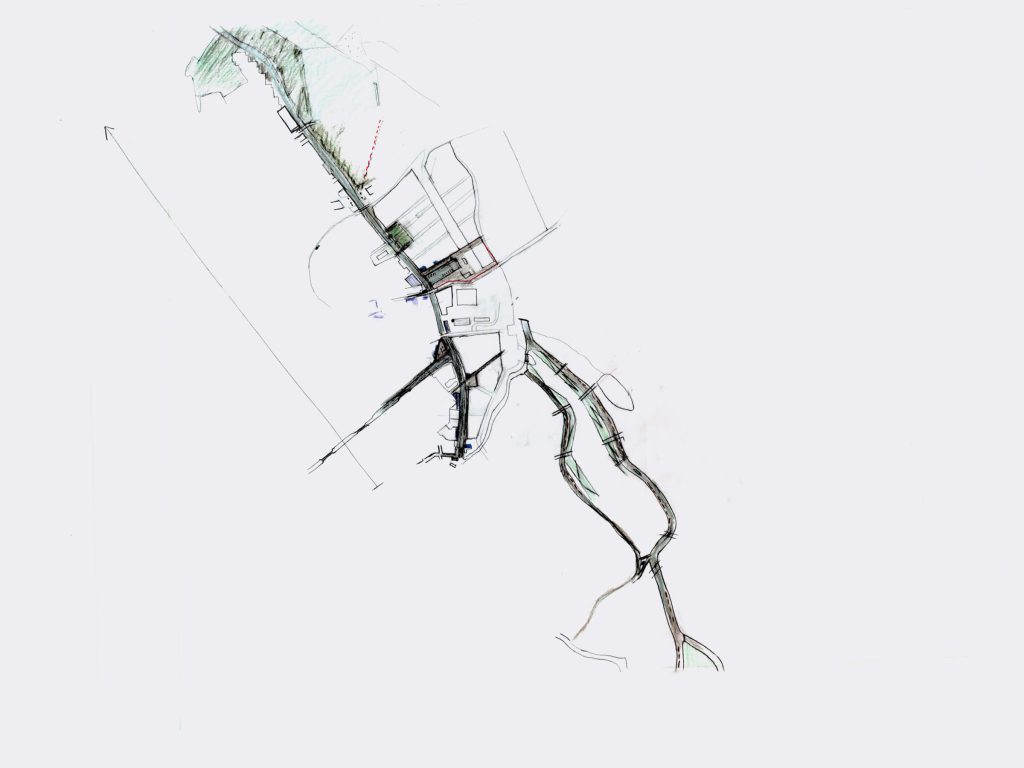
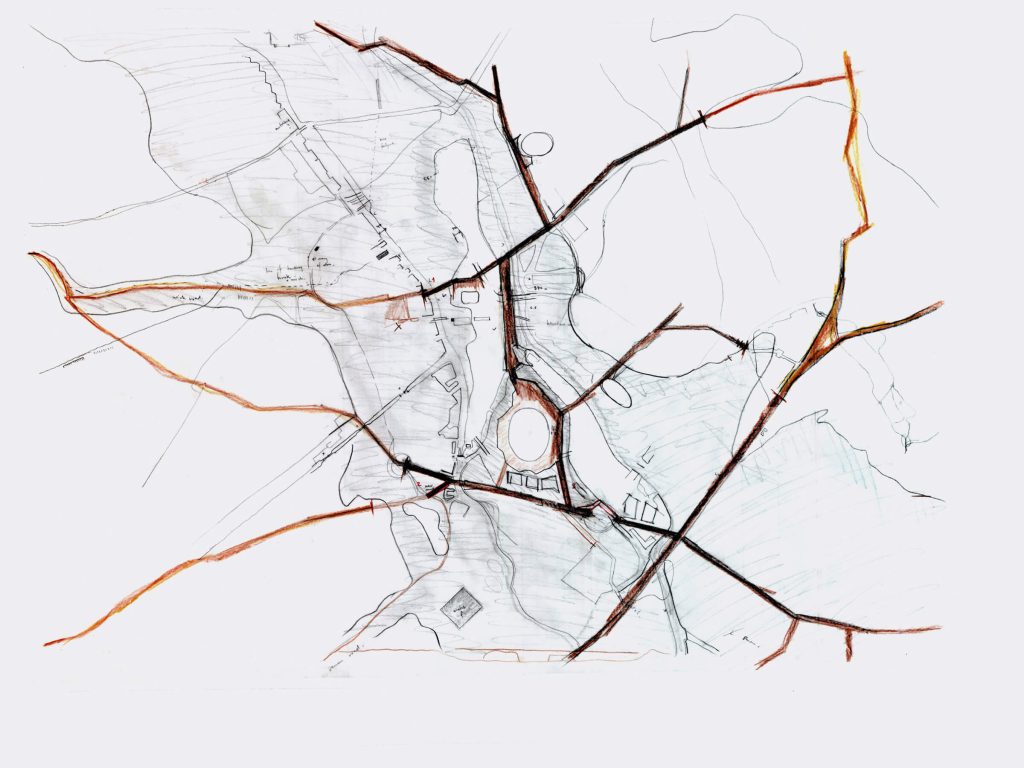
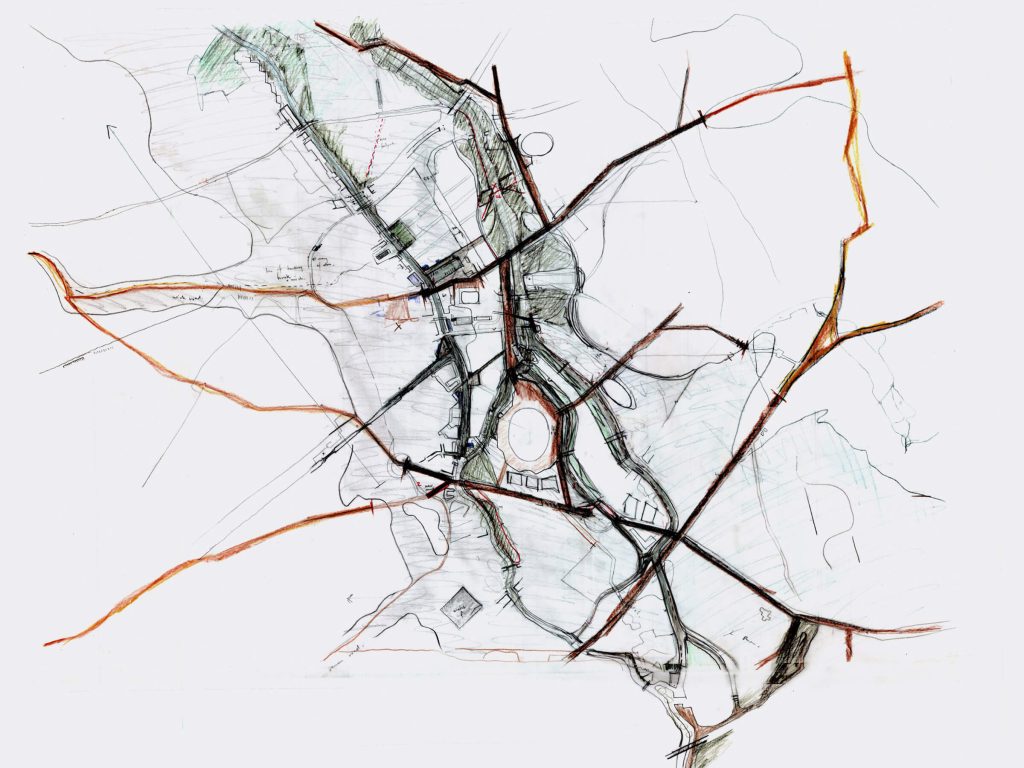
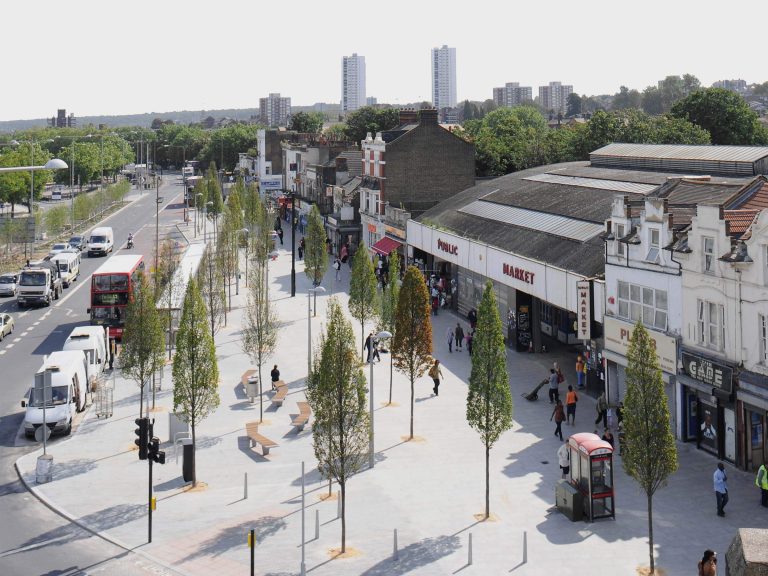
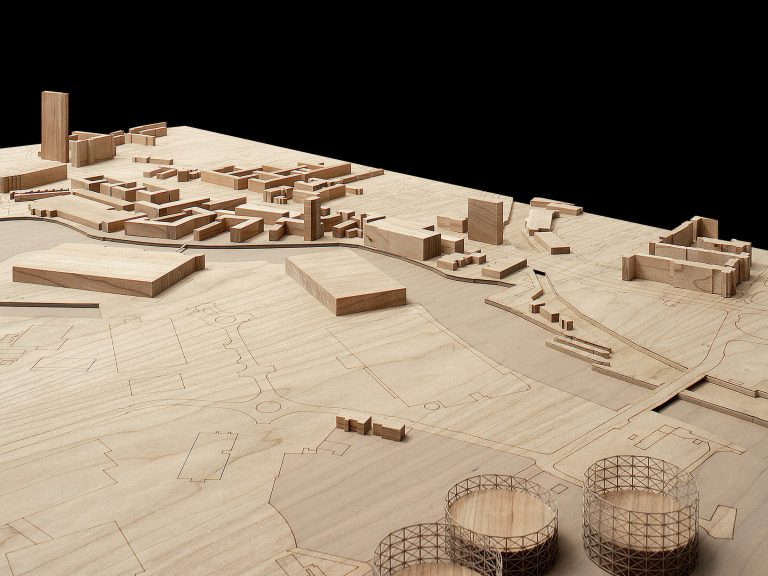
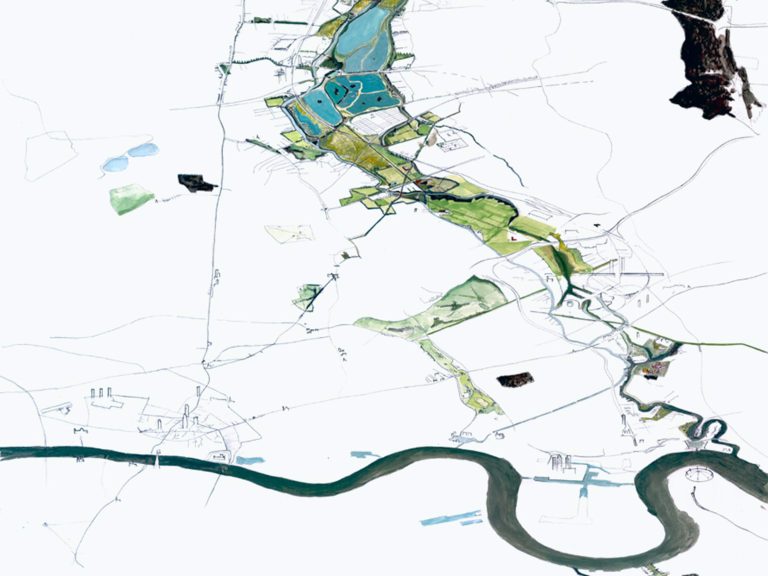
More than a decade after our first walks exploring the area, we were invited by the then Olympic Park Legacy Company to help reshape the city plan for after the games, as part of a team of architects and masterplanners. Familiar with the area’s tangle of watercourses and infrastructures, we developed the strategy for the public spaces, steering two areas in particular to a different resolution, as part of the scheme granted planning consent in April 2012.
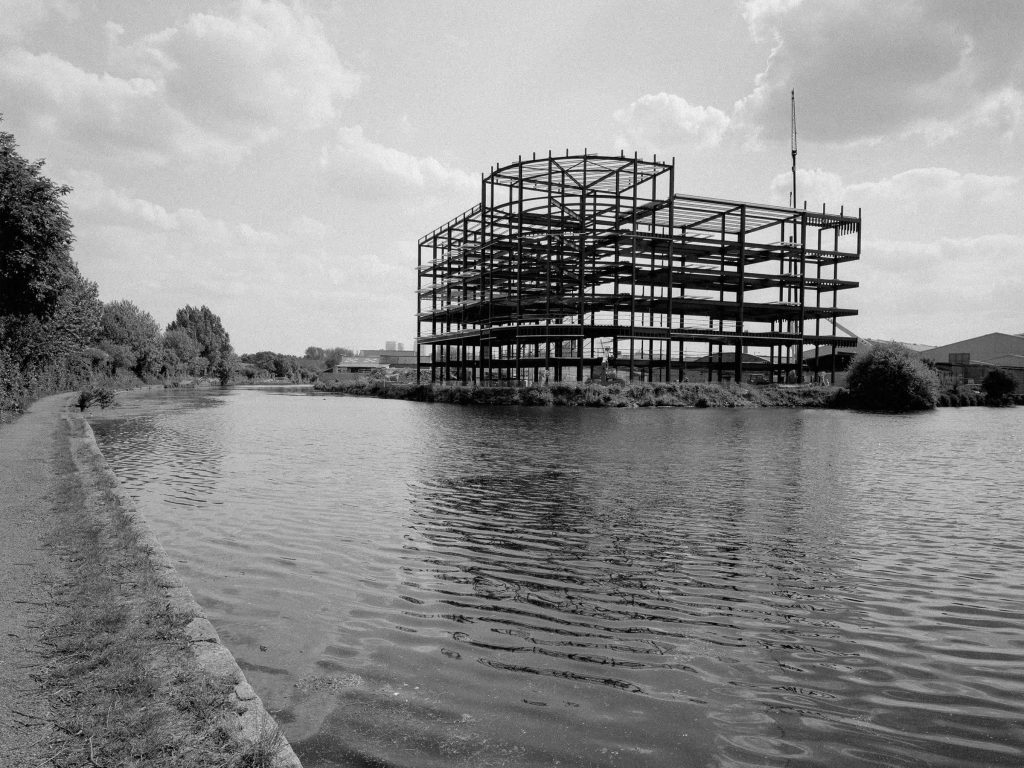
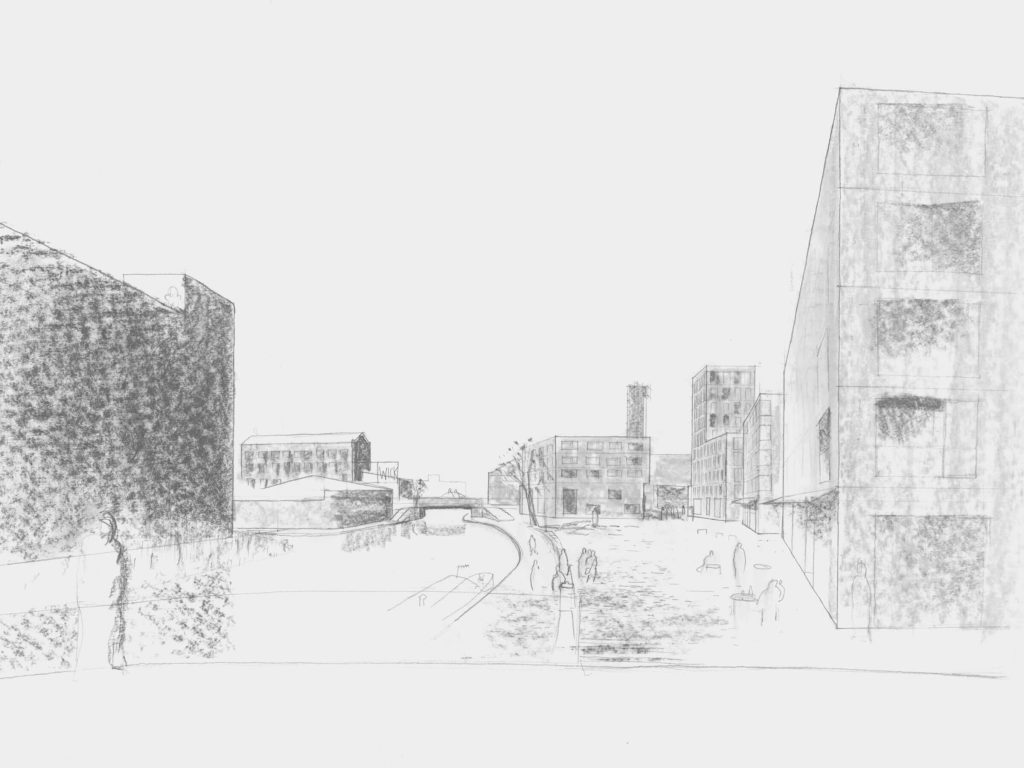
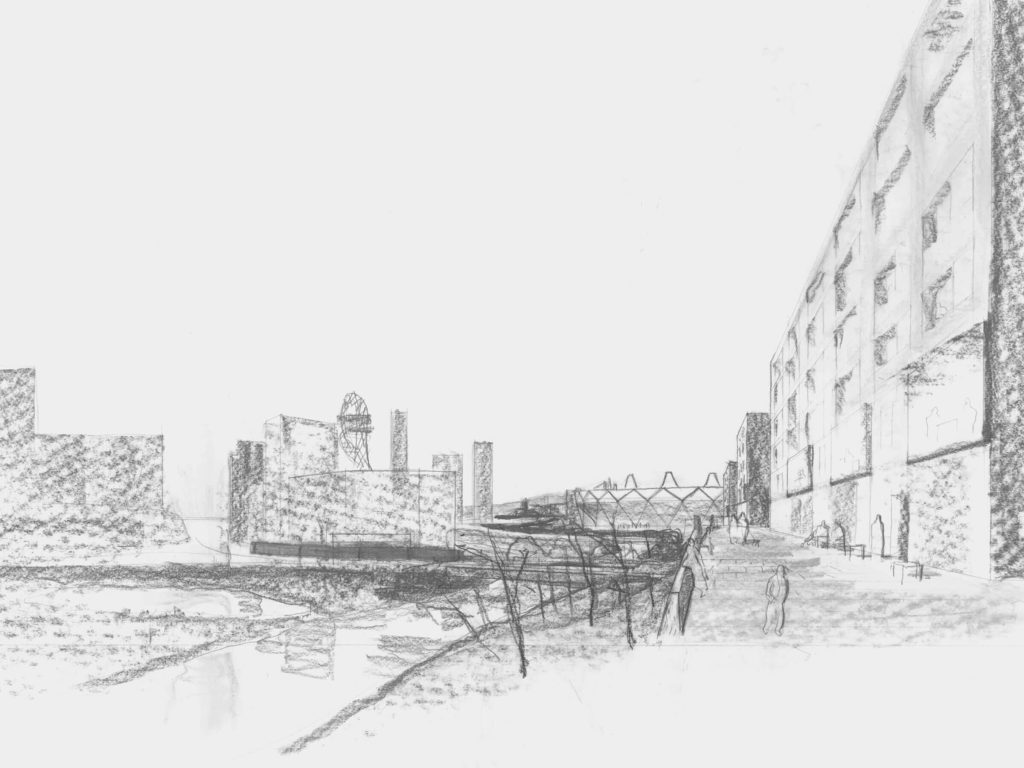
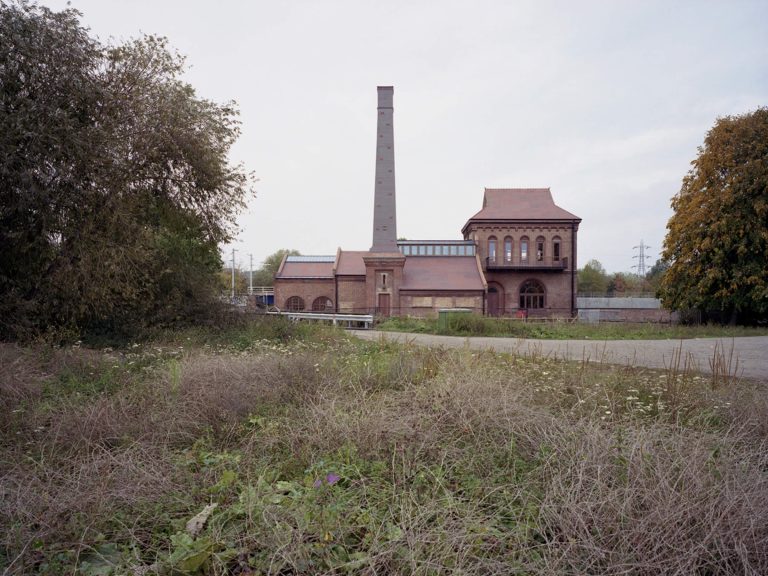
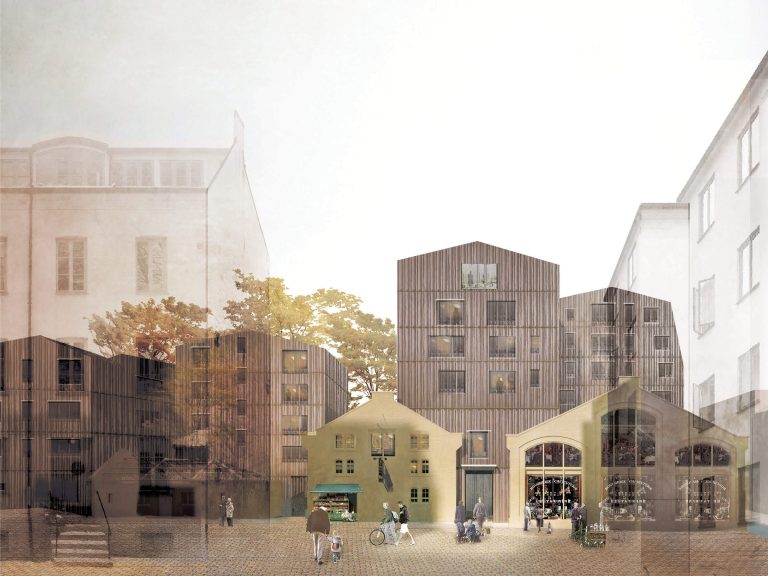
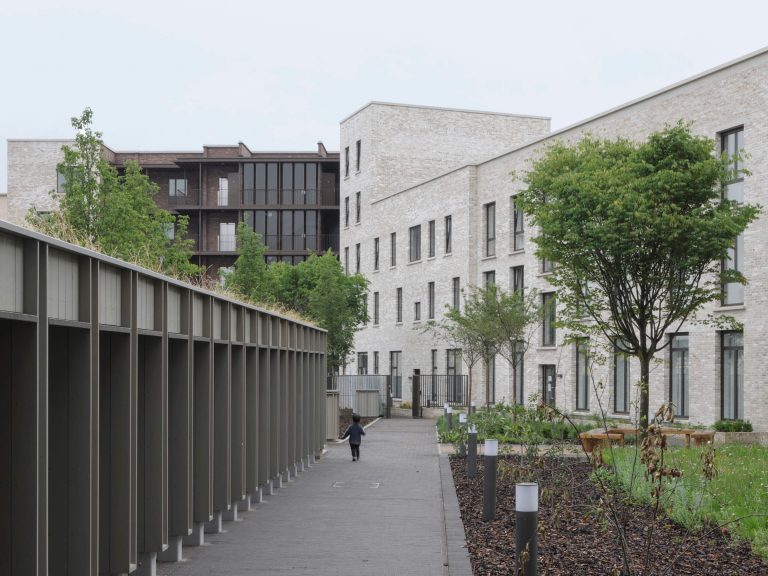
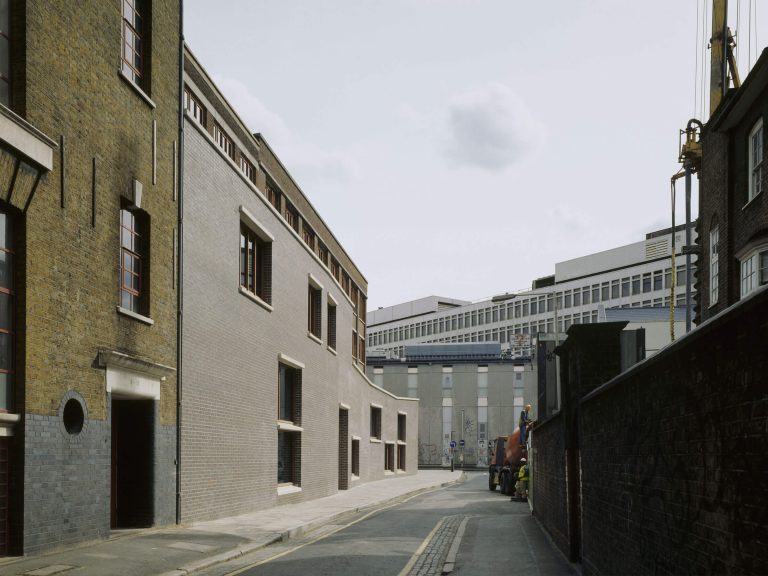
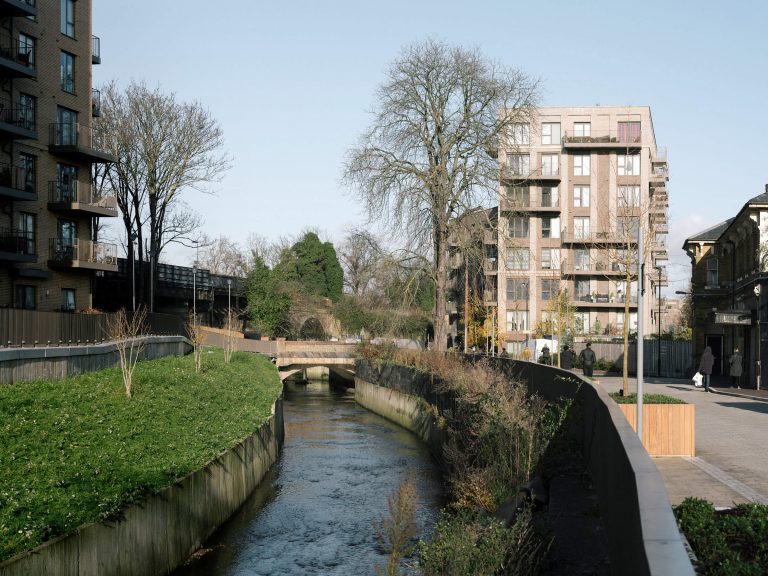
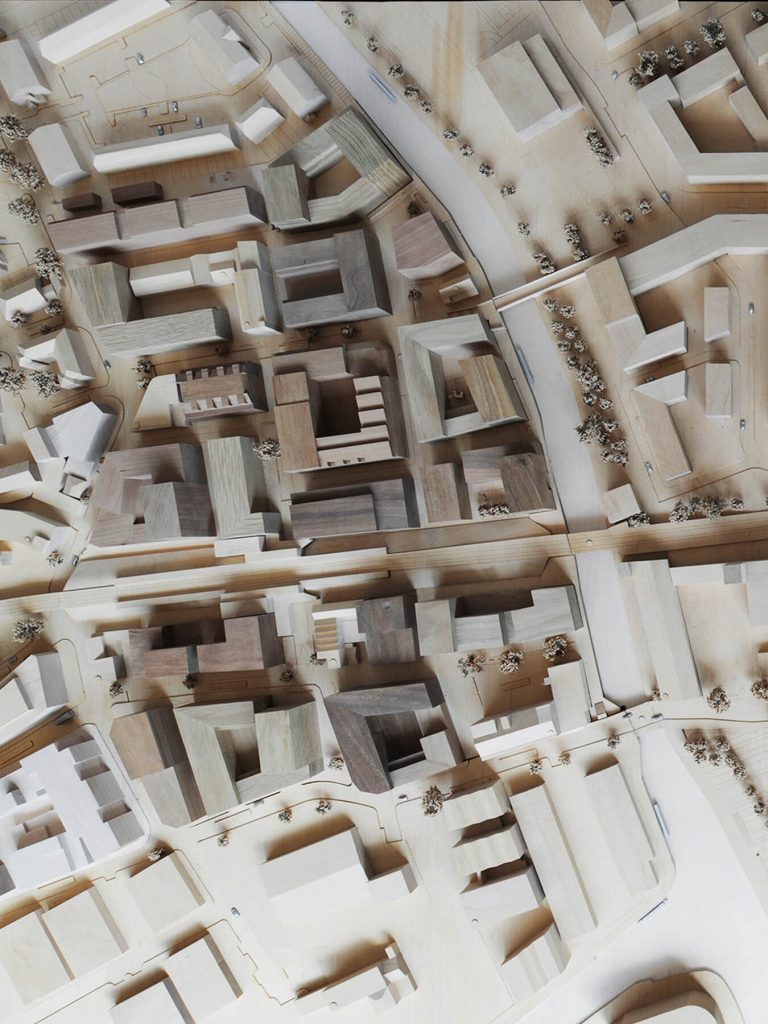
The western edge, marked by the Hackney Cut canal, had been neglected during the construction of the Games, lined by a security fence. We imagined it as a place of exchange: a public space defined by the new, controlled development on one side, and the heterogeneous inherited structures on the other, with new public buildings, including two schools and a library, serving both existing and new communities. Where the Olympics were secured and inward facing, the Canal Park helps the post-Olympic city quarter to face and connect outwards.
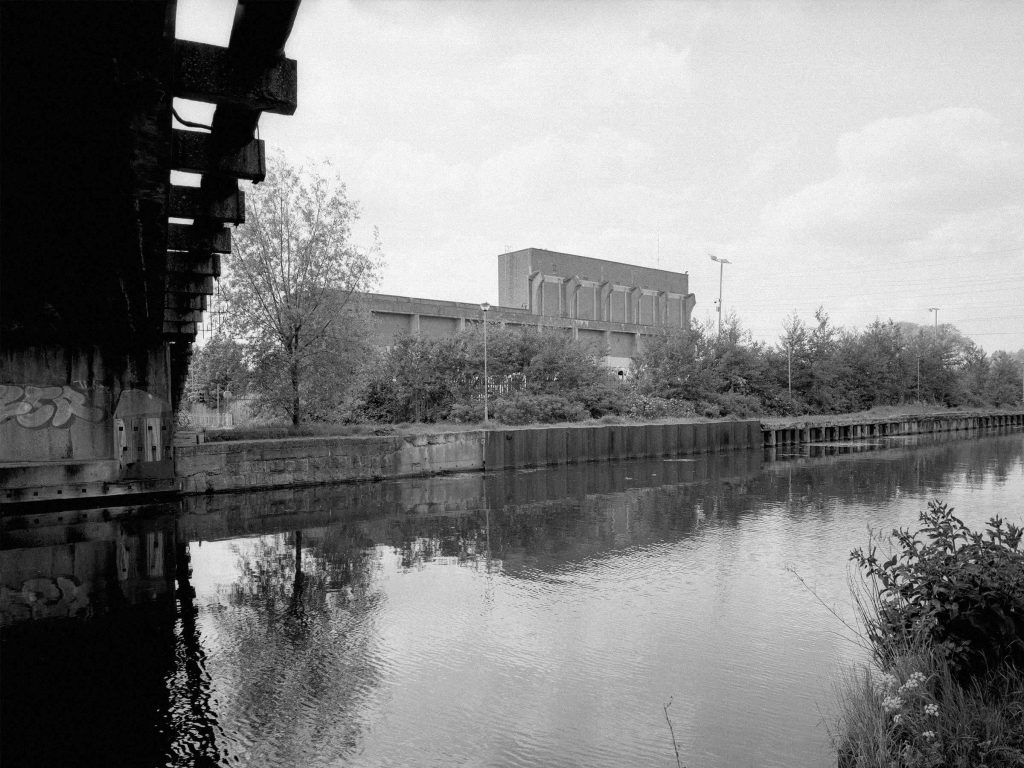
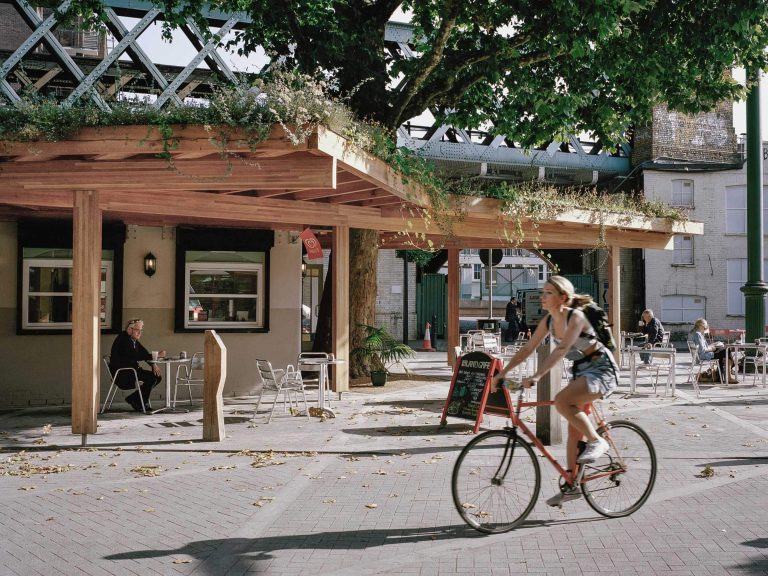
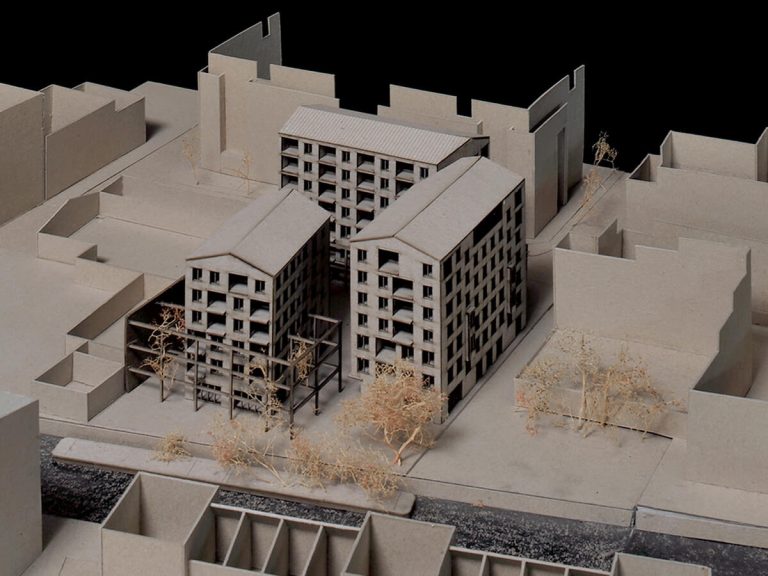
At the Belvedere, a knot of infrastructures at the centre of the site, we identified the opportunity to develop the site, narrowing the valley at its most vertical point. A high level public terrace will run between the apartment buildings and the meandering river below; on the other side of the river, ten metres below, a pontoon link under the railway bridge will allow park users to follow the tree-lined river banks. Where the Olympic vision was a singular park-city, our strategy helped open it into something more multiple, more diverse, with city, park and wild landscape entwined.
Project
Public Realm Strategy for whole site, masterplan for Belvedere
Prepared as a member of the Aecom consortium including Allies and Morrison, Maccreanor Lavington, Vogt
Location
Stratford, East London
Client
Olympic Park Legacy Company
Consultant
Aecom consortium including Allies and Morrison, Maccreanor Lavington, Vogt
Duration
2010–2012
Status
In-progress, planning consent granted 2012
Download
Bastard Countryside