Whitechapel
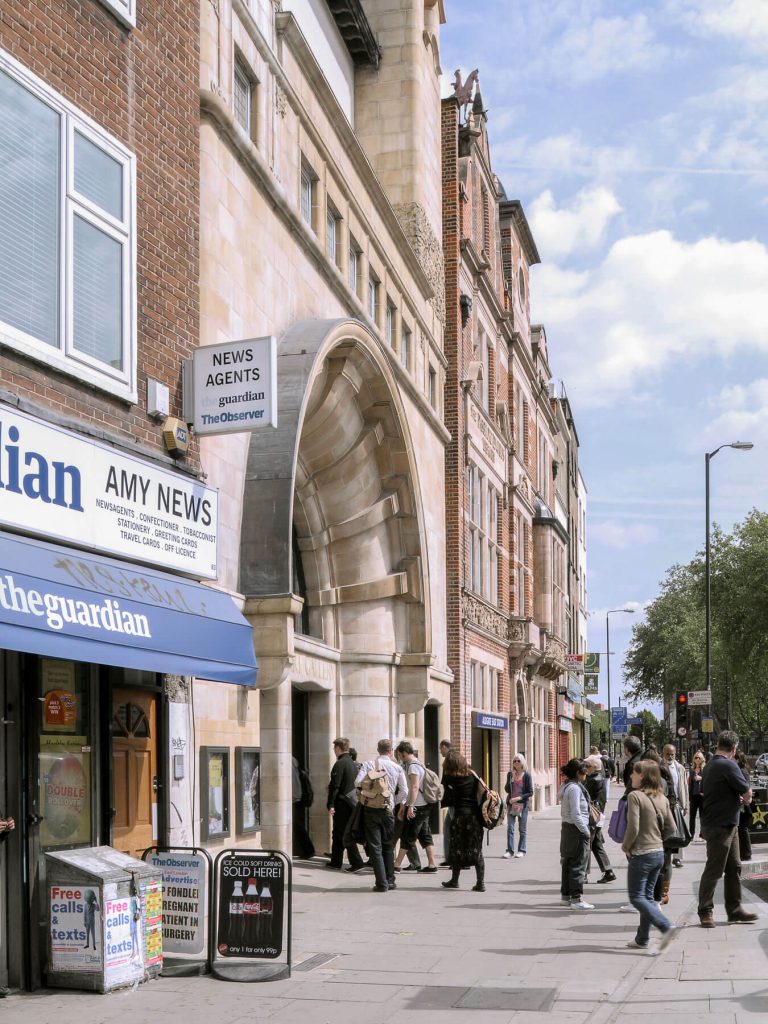
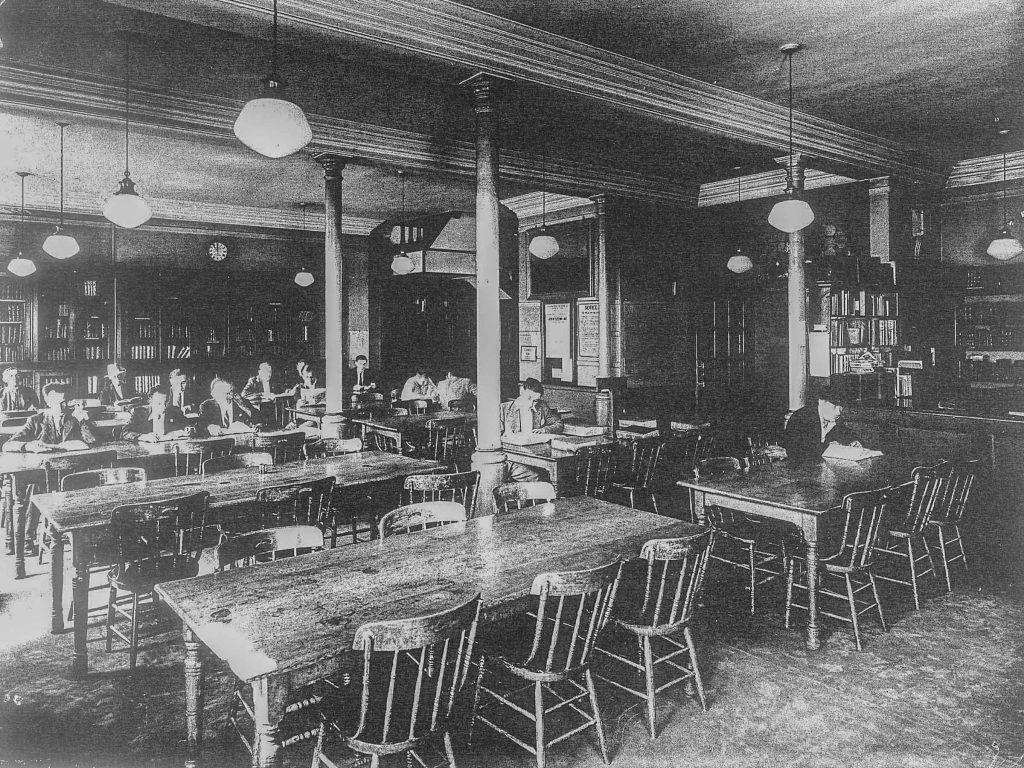
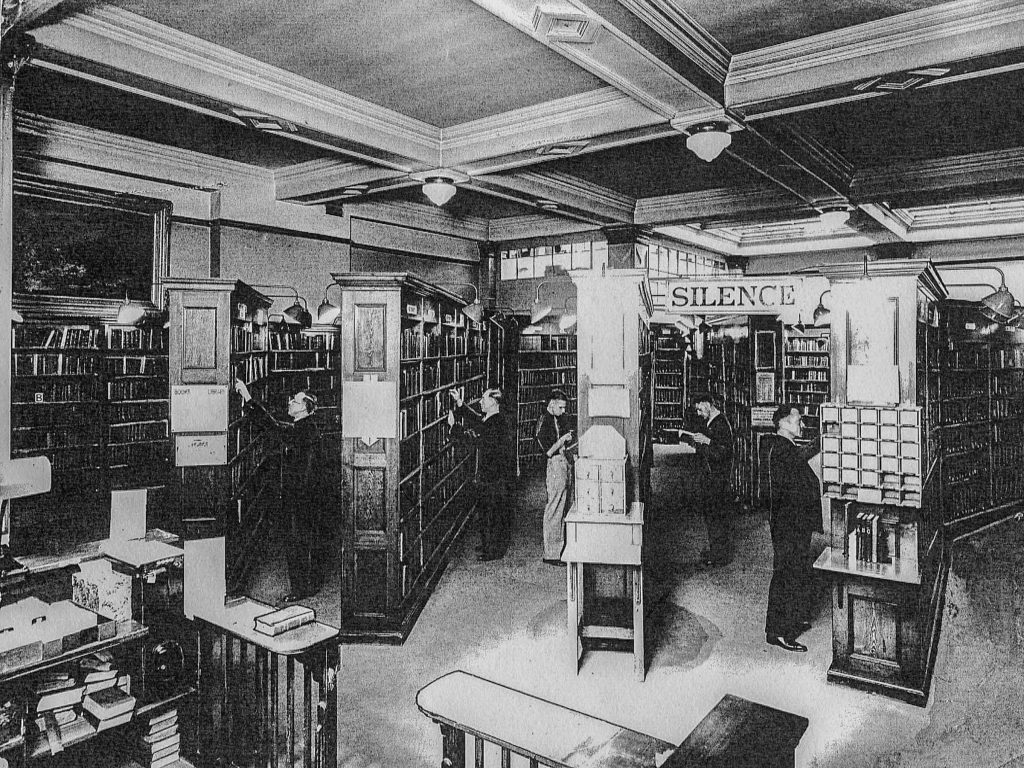
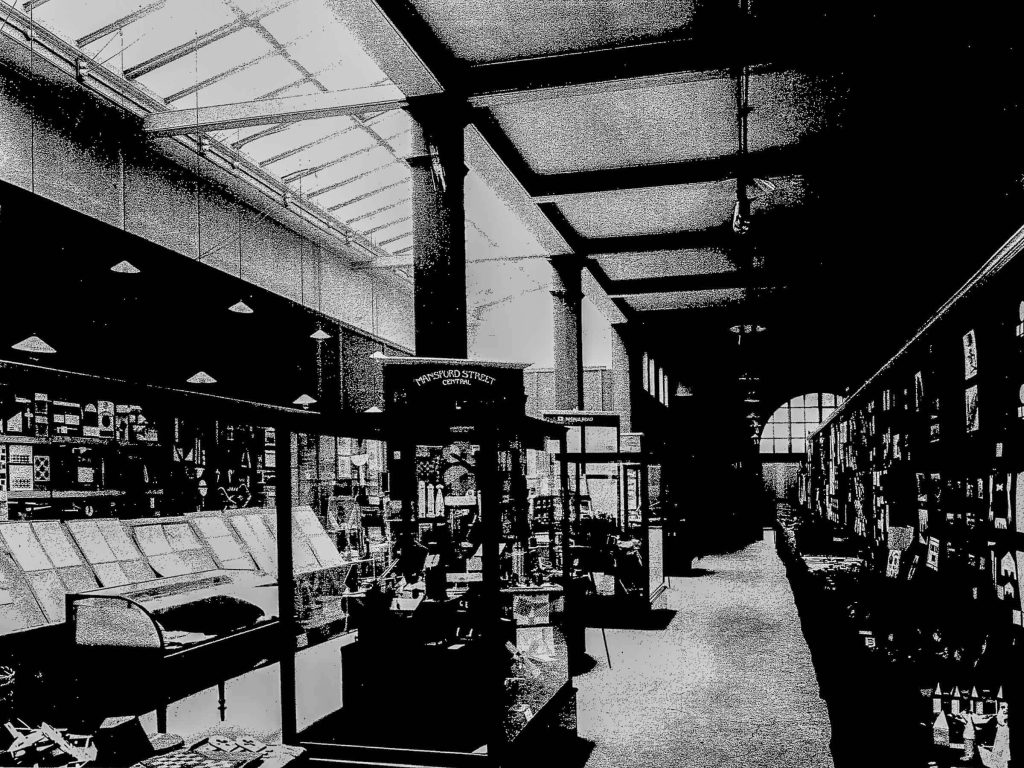
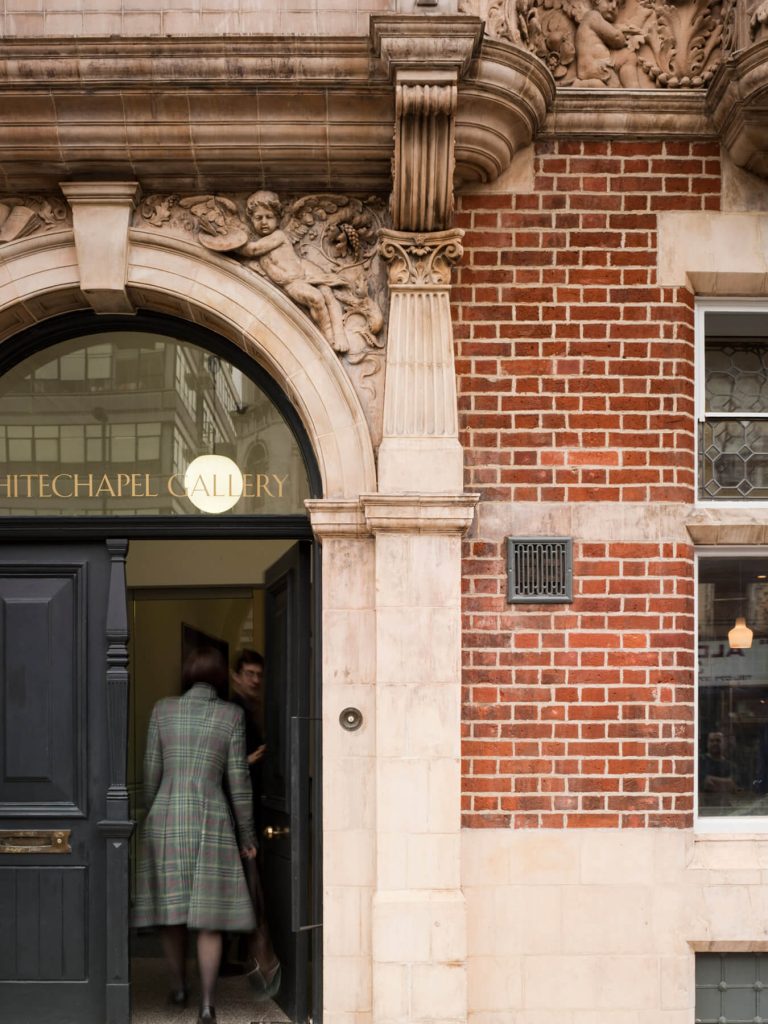
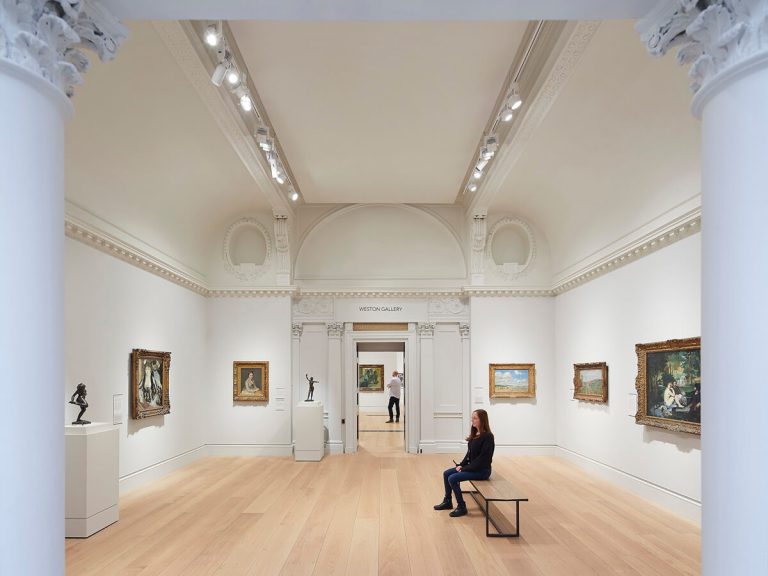
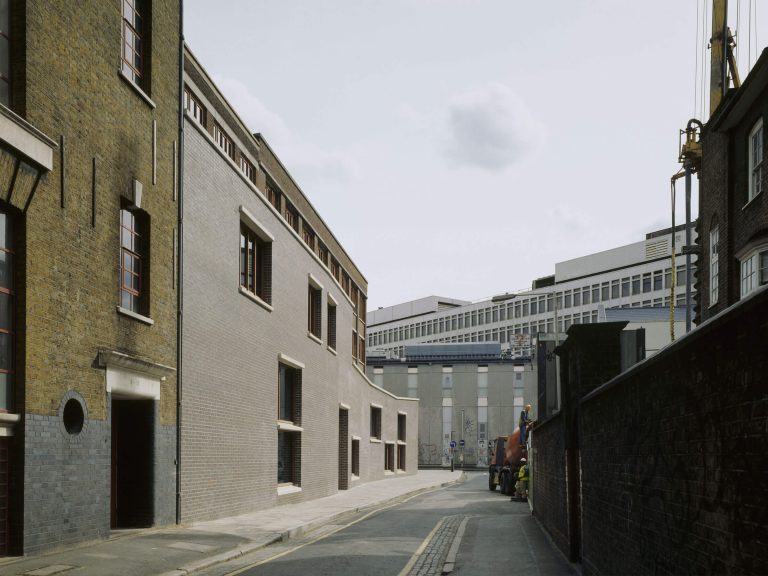
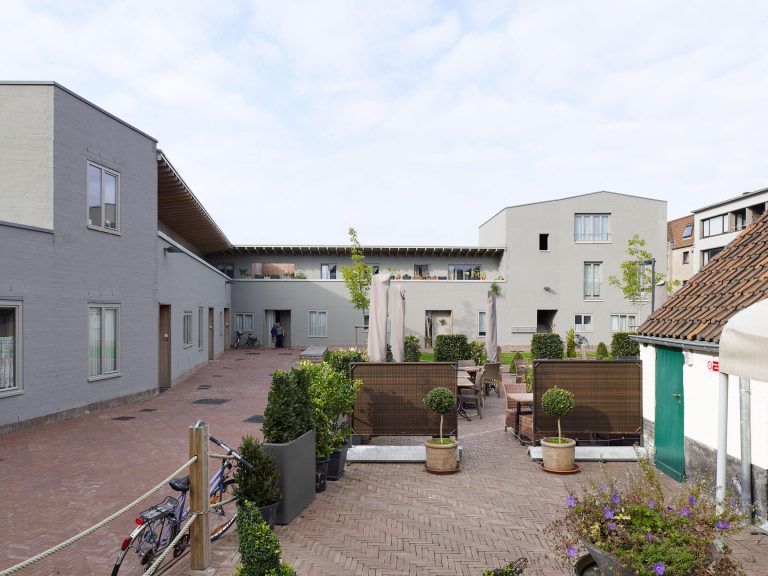
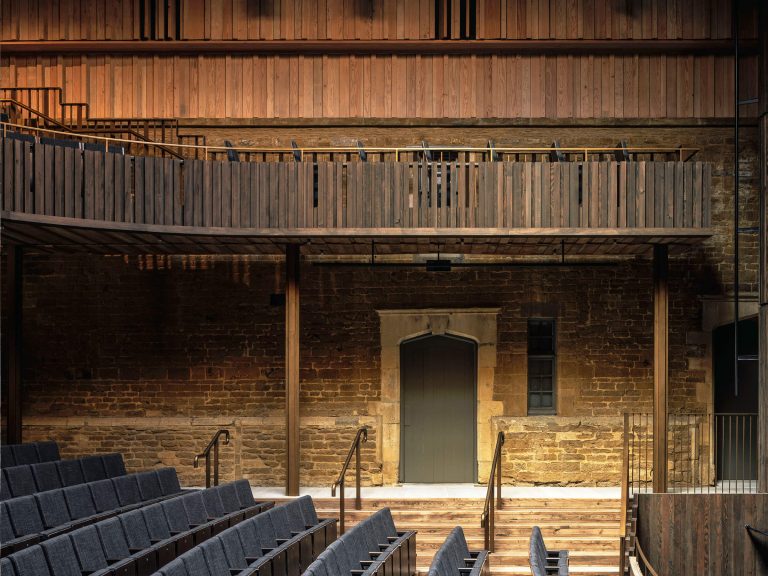
The old Whitechapel Gallery, with its church-like façade and luminous top-lit gallery, was magnificent but also limited: a single exhibition at a time, closed for ten weeks a year between shows, and unable to host more than half a school class. When the library moved out of the Victorian building next door, the Whitechapel seized the opportunity to diversify their range of exhibitions and expand their education work. Collaborating with Robbrecht en Daem Architects from Ghent, we worked with the director and curators to match their ambitions to the scale and character of the old library.
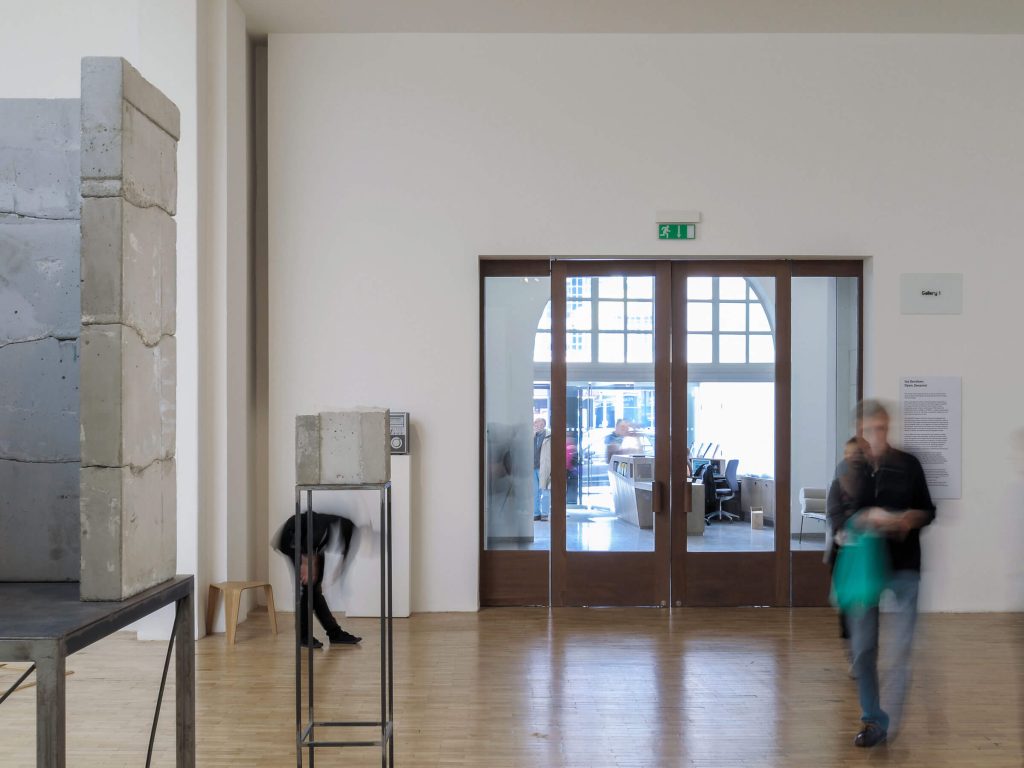
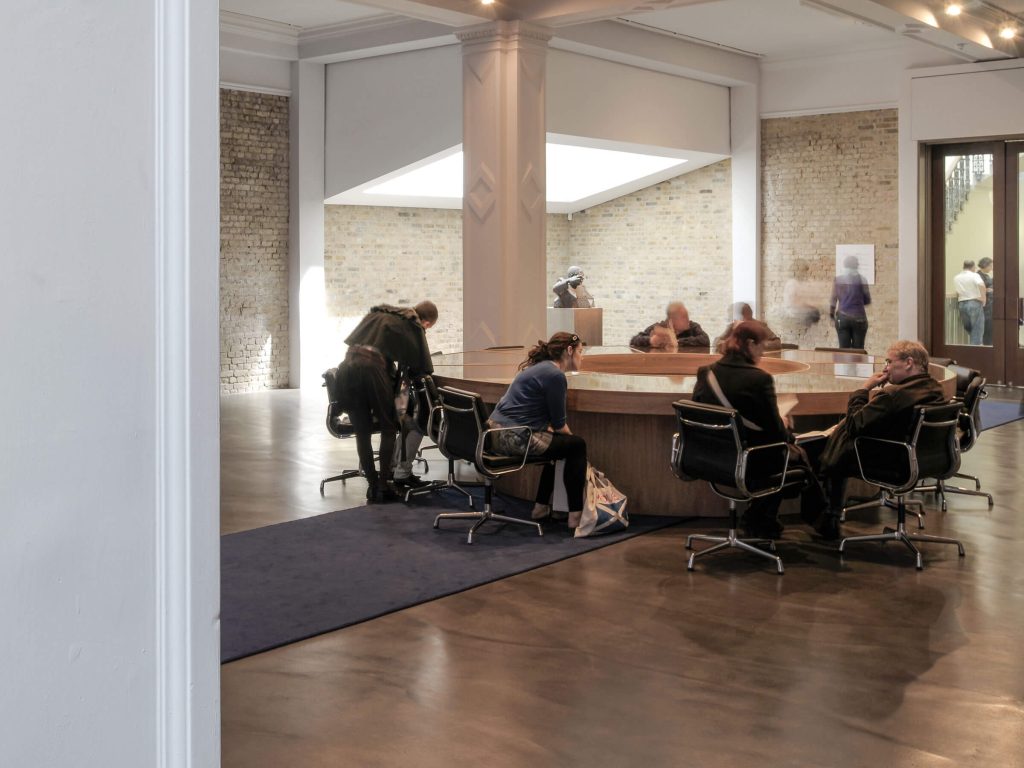
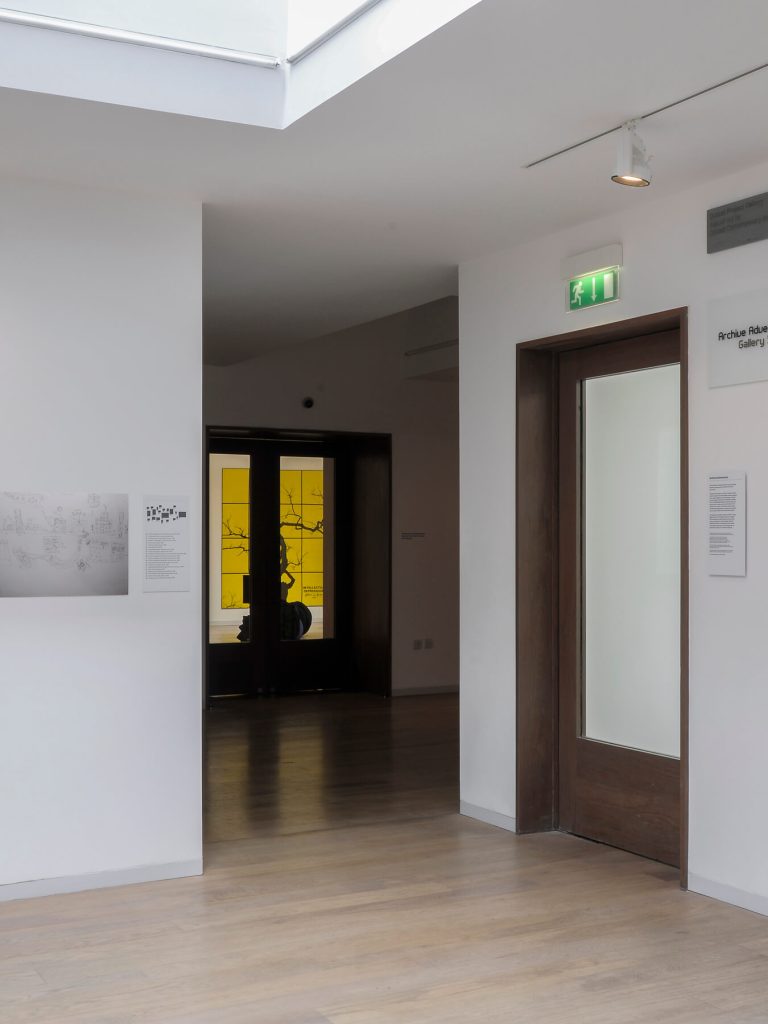
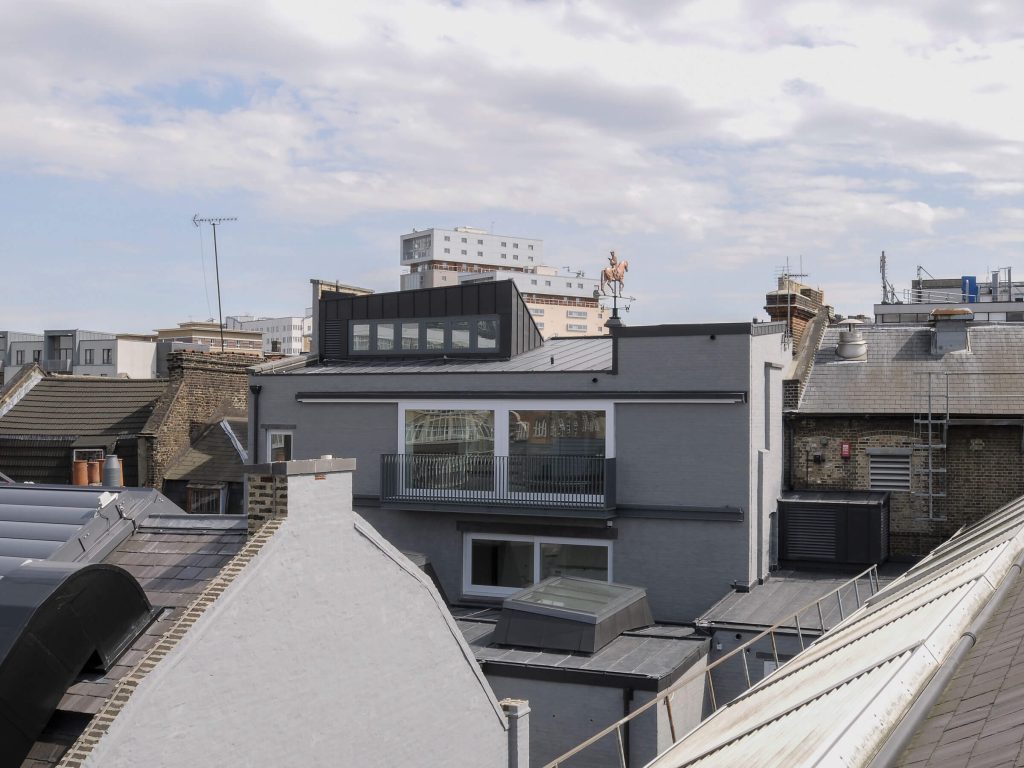
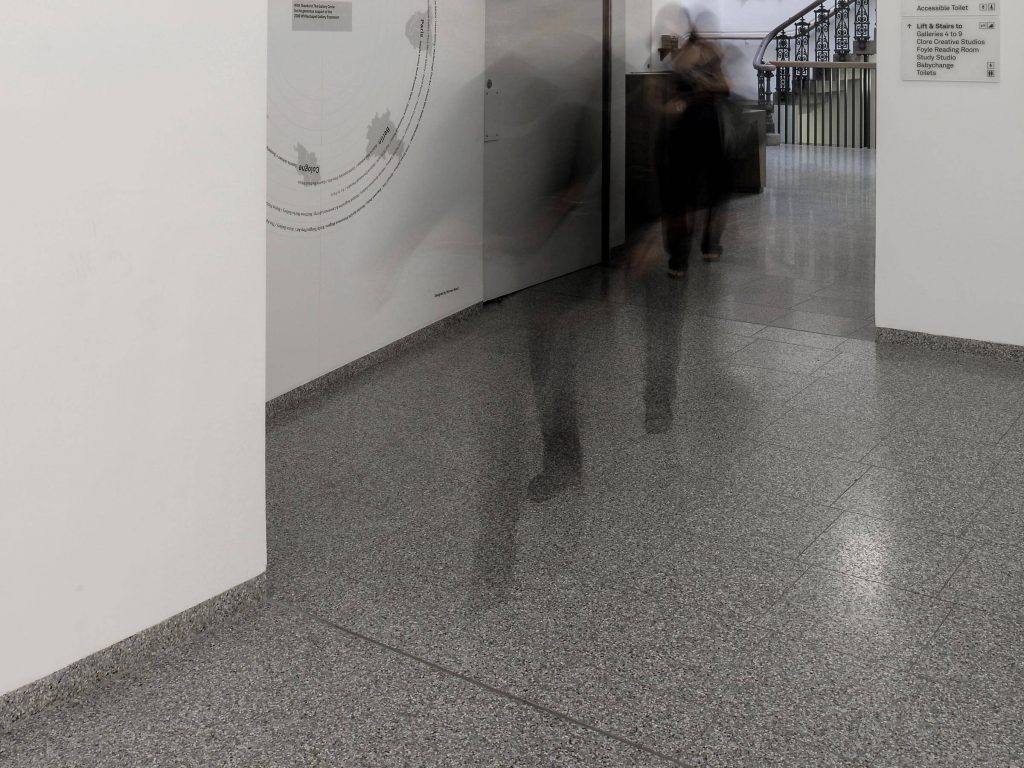
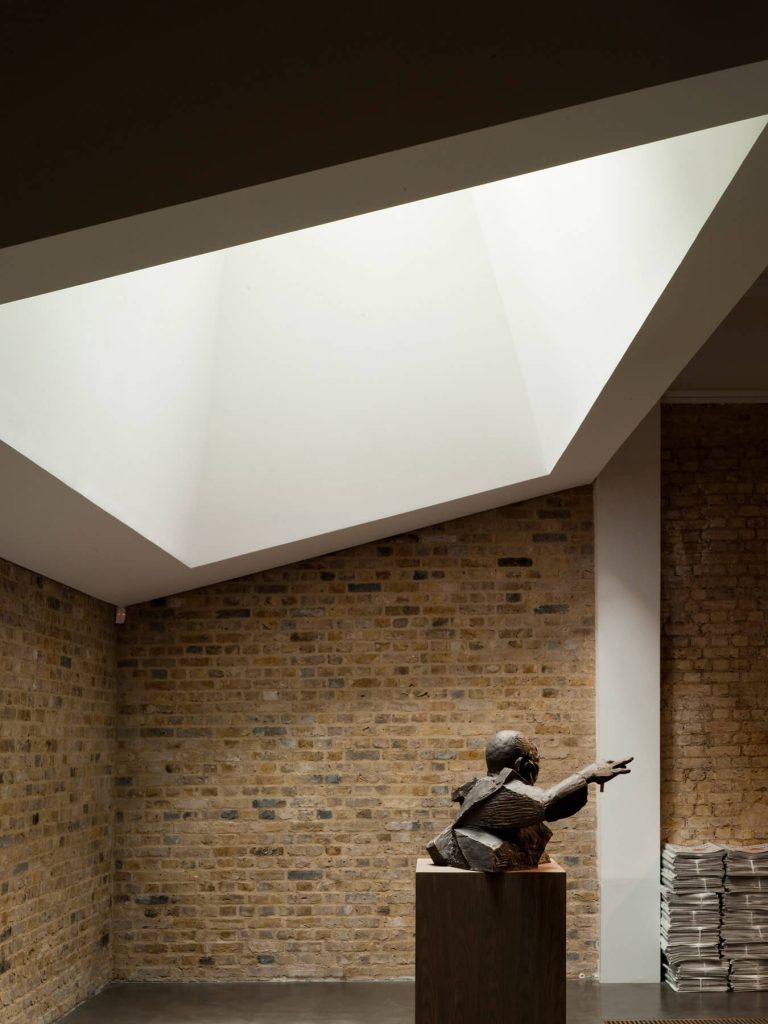
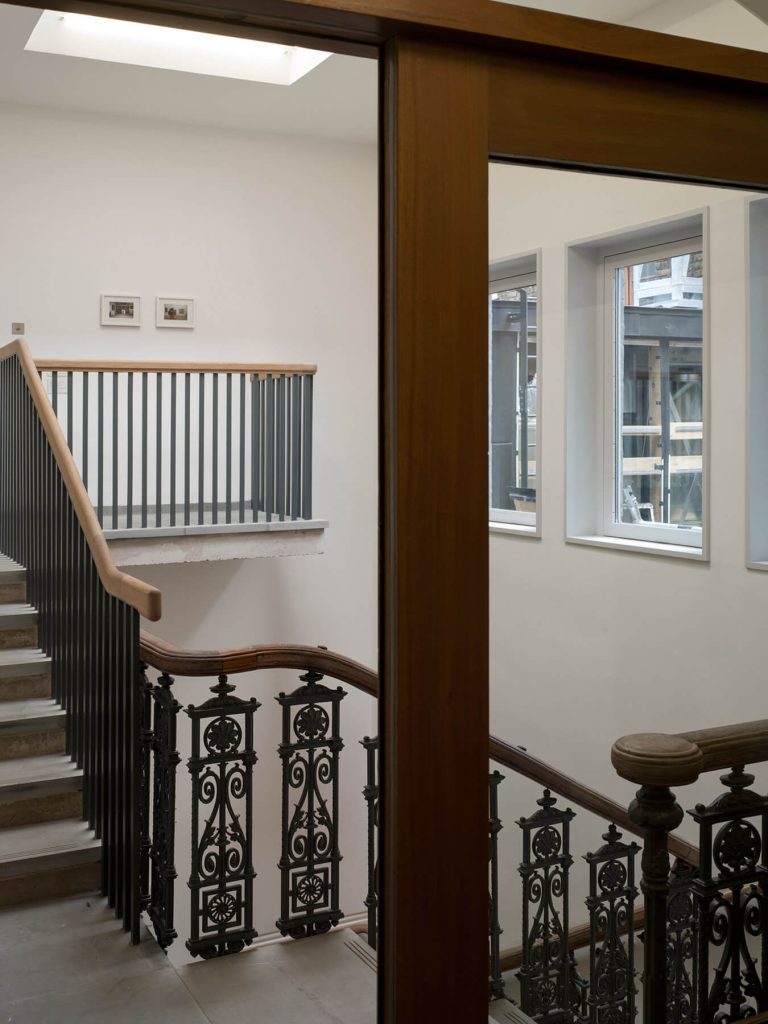
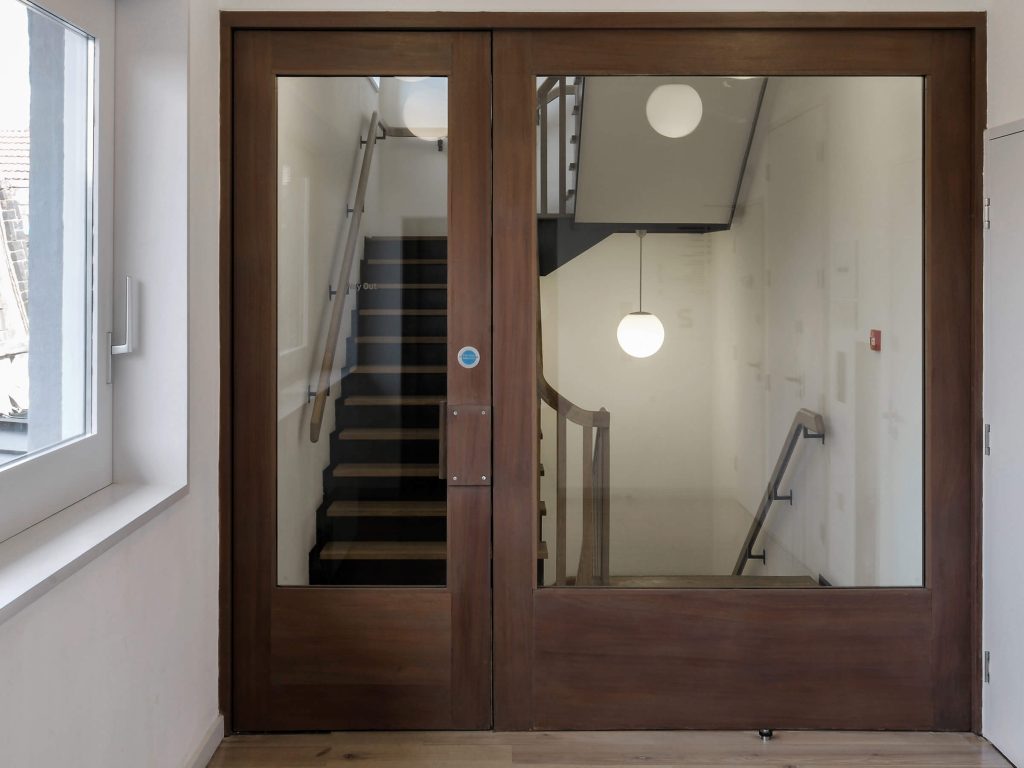
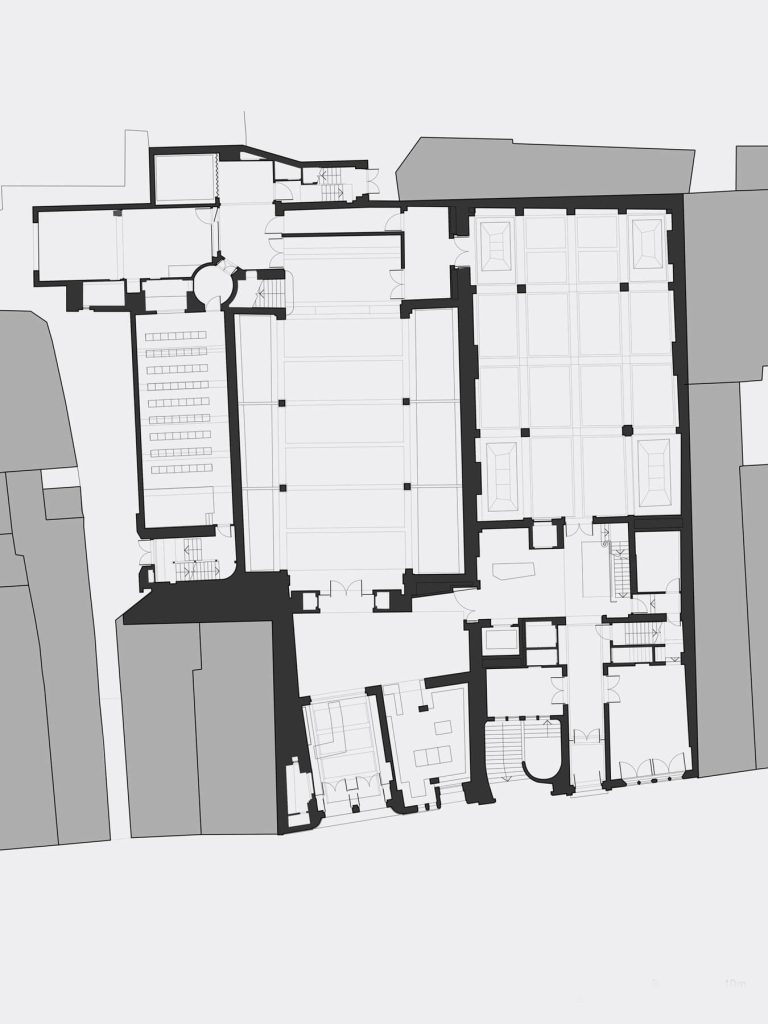
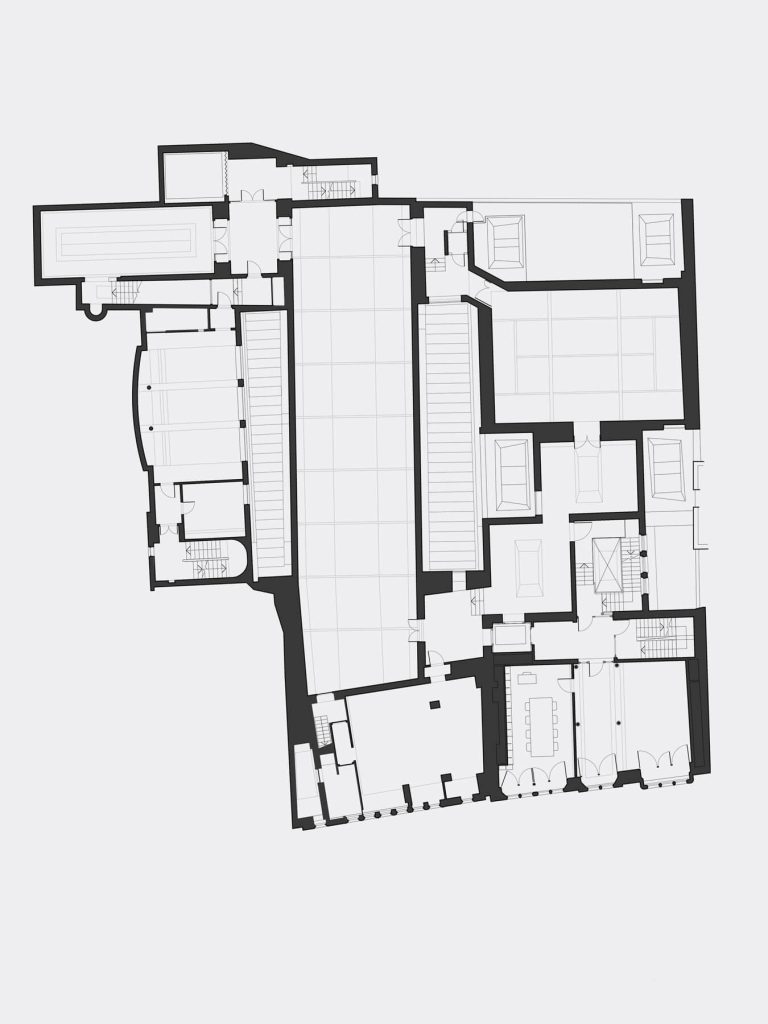
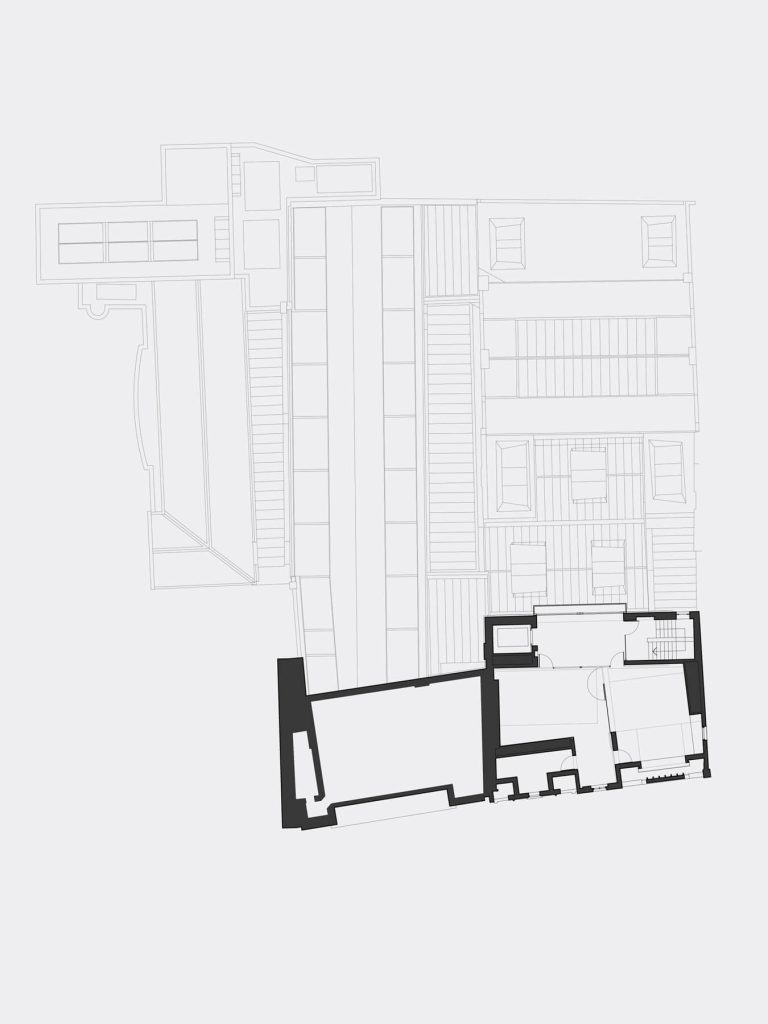
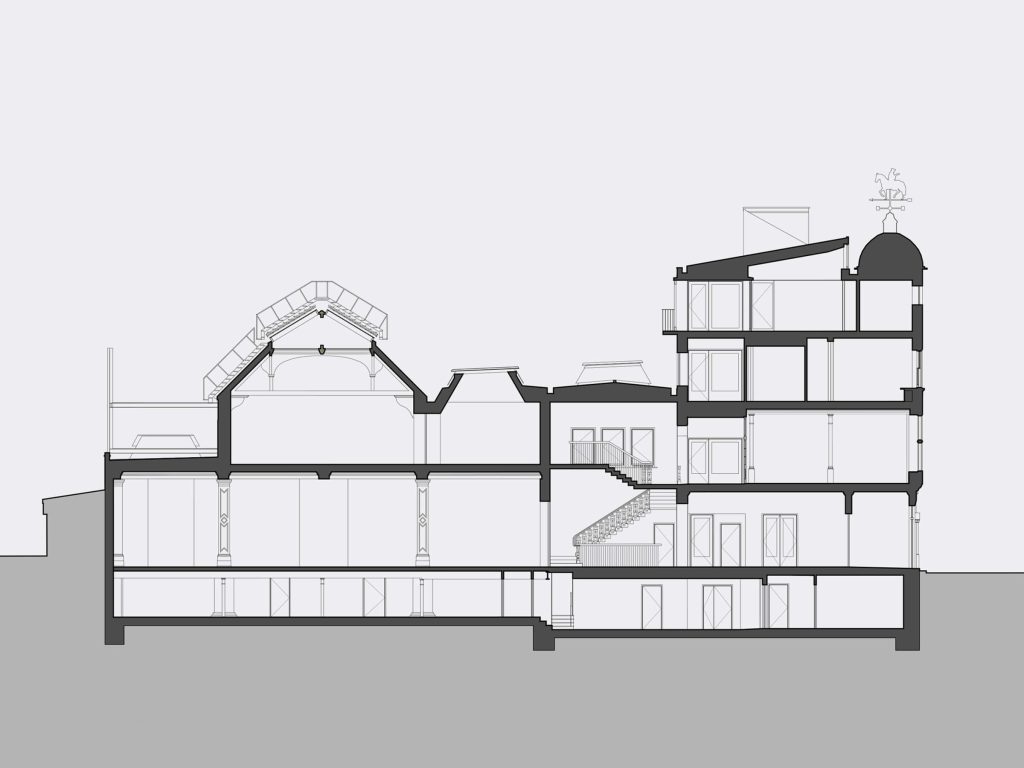
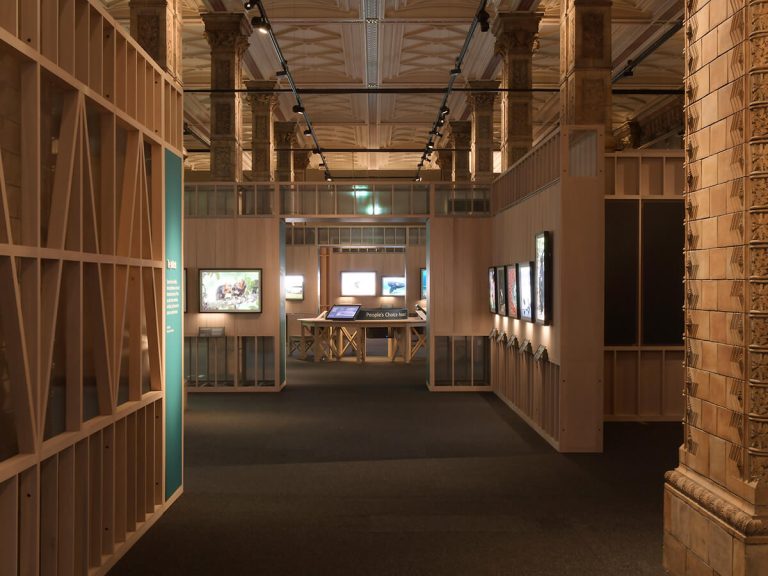
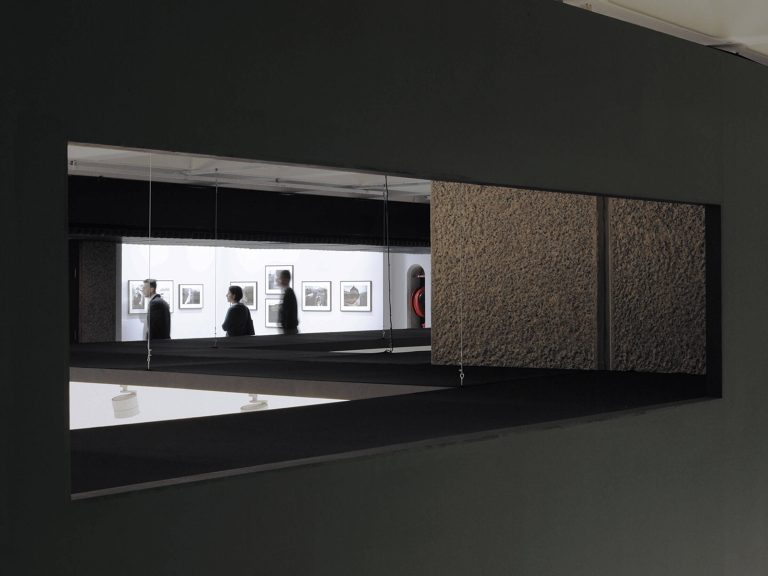
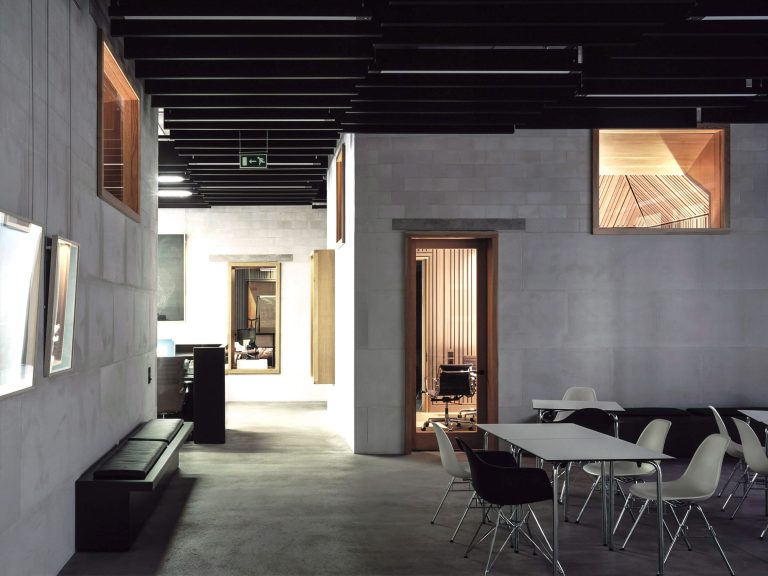
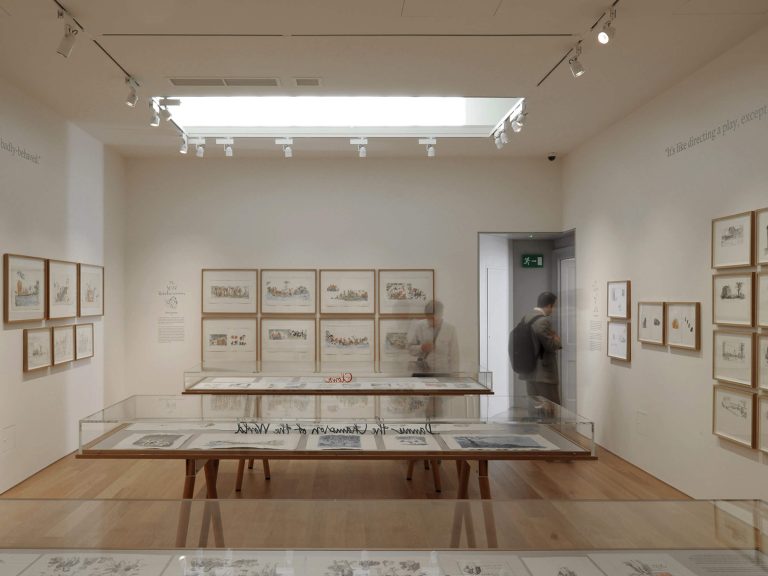
Our design binds the two buildings into a loose circuit of galleries, whose scale and light support greater diversity: the earthy former reading room, the top-lit gallery for loan exhibitions, the archive room exploring a century of modern art in East London, and the top floor education studio which is intimate with expansive views. We negotiated the many accidents of line and level into a gently coherent whole, in which the different parts retain their distinctive character, washed in daylight from new rooflights and with top-lit new rooms woven through. Where previously the Whitechapel was singular, linear and introvert, now it is multiple, dynamic and more extrovert. The seven years since its re-opening have seen an array of ambitious exhibitions and a doubling of visitor numbers.
Project
Restoration and alterations to the 19th century library and 20th century art gallery (Grade II and II* listed)
In collaboration with Robbrecht en Daem Architecten, Ghent
Location
Whitechapel, East London
Client
the Trustees of the Whitechapel Art Gallery
Duration
2003–2009
Status
Built
Contract value
£5.75m
Awards
RIBA National Award, 2010
Photography
David Grandorge
“The reimagined gallery and library shame the monolithic and self-serving developments that are currently invading east London.... There is a respect for memory, for the skein of historic narrative that is unbroken, as well as a necessary opening out of space, new windows on the surrounding panorama of corporate greed and reefs of threatened ghetto. It is astonishing, but true, that a pair of forcibly conjoined buildings can live up to all their PR boasts."